Master's Biographies
Howard Marks
1946 – · Oaktree Capital · risk, cycles & second-level thinking
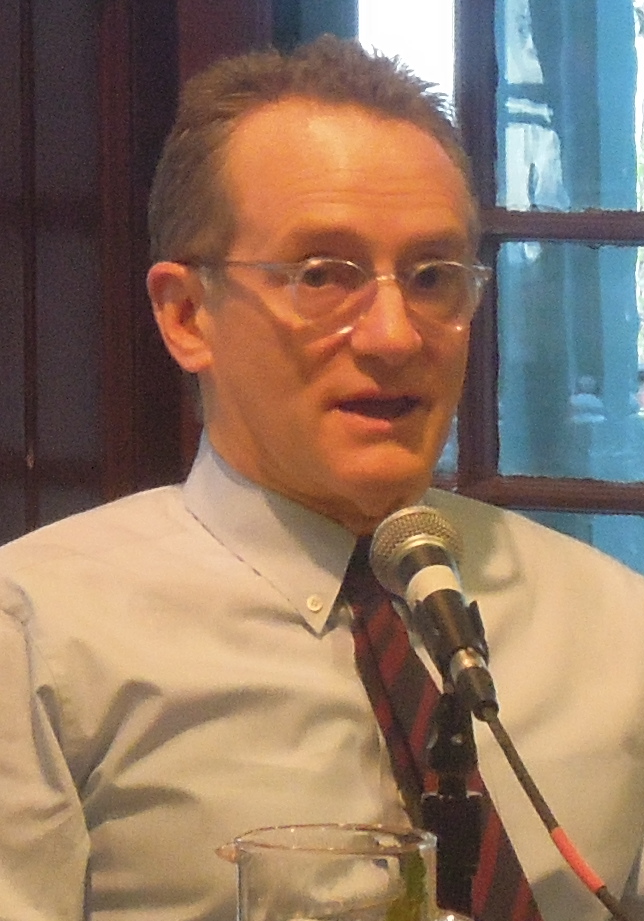 Howard Marks
He made a discipline of thinking about risk — and of buying when others were too frightened to.
Howard Marks built Oaktree Capital into one of the world's foremost investors in distressed debt by mastering a single idea: that investing is not about chasing returns but about understanding risk and the cycles that govern it.
Through his famous client memos — read closely even by Warren Buffett — he taught "second-level thinking": the habit of asking not just what will happen, but what is already priced in, and where the crowd has gone wrong.
1946
Born in Queens
Howard Marks was born in 1946 and raised in Queens, New York. A diligent student, he made his way to the Wharton School, where he studied finance and first encountered the questions of value and risk that would occupy his life.
1969
Wharton, Chicago, and Citibank
After Wharton he took an MBA at the University of Chicago — then the cradle of efficient-market theory — and joined Citibank as an equity analyst. The contrast between academic theory and messy reality shaped his thinking for good.
1978
Into the unloved corners
At Citibank, Marks was asked to move from blue-chip equities to convertible bonds and then high-yield "junk" bonds. He discovered that the market's least respectable corners, properly analysed, could be its most rewarding — precisely because everyone else looked away.
1985
TCW and distressed debt
Marks moved to the TCW Group, where he and his colleague Bruce Karsh built a pioneering practice in distressed debt — buying the bonds of troubled companies for cents on the dollar when fear had driven prices below worth.
1990
The first memo
He began writing periodic memos to his clients — thoughtful, literate essays on markets, risk and human behaviour. For years they drew little response; in time they became among the most widely read documents in all of finance.
1995
Founding Oaktree
Marks, Karsh and a small group left to found Oaktree Capital Management, built on a credo of risk control and contrarian patience. Oaktree grew into a giant, entrusted with the management of well over a hundred billion dollars.
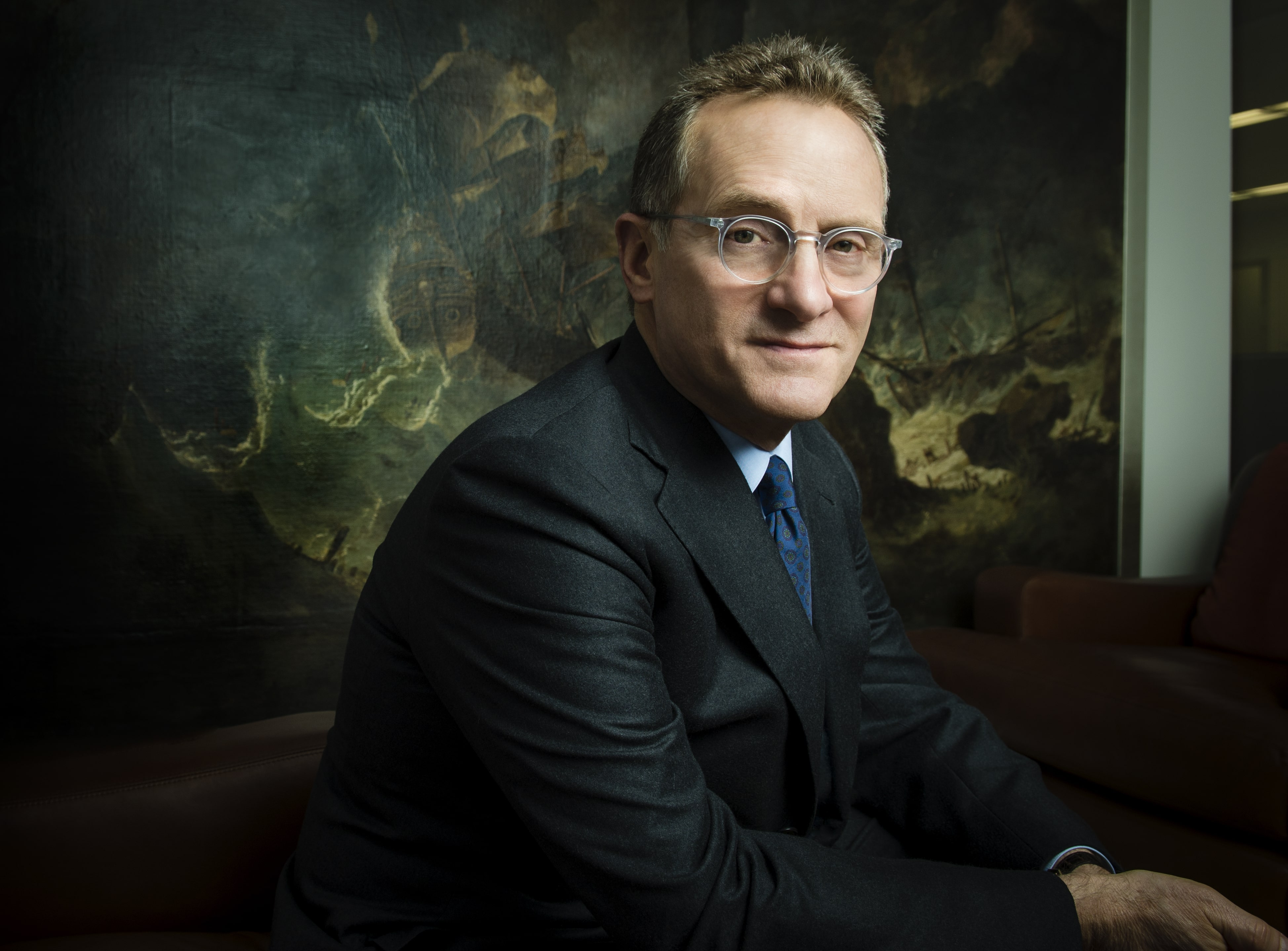 Howard Marks
2008
Buying into the panic
As the financial crisis tore through credit markets, Oaktree deployed billions into distressed debt while others fled. Marks's discipline — "the most important thing is buying well" — turned the worst panic in generations into one of the firm's defining triumphs.
2011
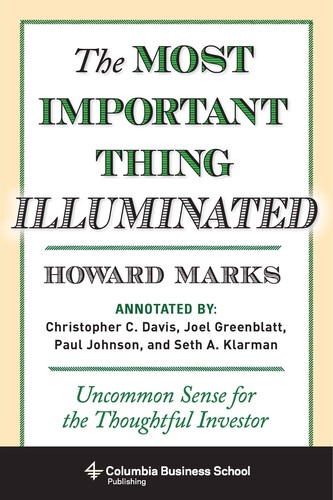
The Most Important Thing
Marks gathered the wisdom of his memos into The Most Important Thing, a book Warren Buffett praised so highly he ordered copies for others. Its lessons — risk, cycles, contrarianism, humility — became required reading for serious investors.
2018
Mastering the Market Cycle
In Mastering the Market Cycle, Marks set out his belief that we cannot predict the future but can know where we stand in the cycle — and that calibrating our aggressiveness to that position is the investor's central task.
Today
Second-level thinking
Still writing his memos and still wary of certainty, Marks remains the patient teacher of second-level thinking: the discipline of going beyond the obvious, respecting risk, and remembering that the riskiest thing in markets is the belief that there is no risk.
“You can't predict. You can prepare.”
— Howard Marks
Image credits & copyright
Freely-licensed photographs of Howard Marks are scarce. Each image below belongs to its respective owner and is used here for educational and editorial purposes; where no free portrait exists, none is shown, in keeping with the standard set on the Benjamin Graham page.
- Howard Marks photographs — Lead portrait — file image held by Omaha Investments India. Second portrait — © its respective owner, shown for educational / editorial use.
- The Most Important Thing cover — © its publisher; shown for identification and educational use.